
11 / 17Overview
Foundation Drainage Correction Around Murfreesboro, Explained
Clay soils common across Middle Tennessee swell when soaked and shrink when they dry. A downspout dumping next to a corner or a yard that slopes toward the house can create exactly the uneven moisture that pushes and pulls a foundation.
Drainage correction is often the least invasive part of a foundation plan, and in some cases it is the most important. It protects structural repairs and can slow or prevent problems from starting.
Drainage Warning Signs
- Downspouts ending at the foundation wall
- Soil or mulch beds sloping toward the house
- Puddles that linger along the foundation after rain
- Gutters overflowing at corners during storms
- Damp crawl space soil or basement walls after heavy rain
Drainage Improvements That Help
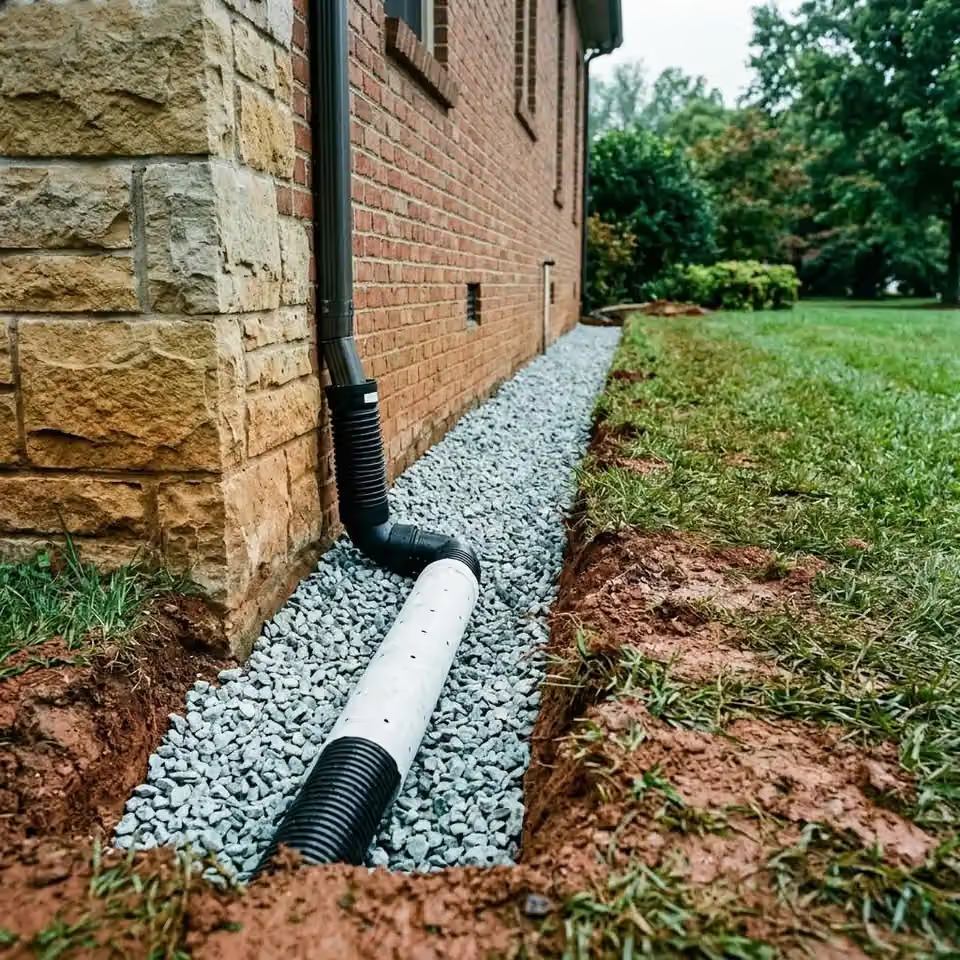
Common corrections include extending downspouts into buried lines that discharge well away from the house, regrading soil so it falls away from the foundation, and installing exterior drains to collect subsurface water.
Each property is different. Neighboring lots, driveways, and the location of the nearest safe discharge point all shape the plan, so drainage is designed for the actual yard rather than from a template.
Correcting Drainage Step by Step
- 01
Observe the water
Roof runoff, slopes, and low spots are traced around the home.
- 02
Plan discharge
Routes and outlet points are chosen to move water safely away.
- 03
Install lines and grade
Pipes, drains, and soil changes are completed.
- 04
Restore the yard
Disturbed areas are backfilled and tidied.
Drainage as Part of a Larger Plan
Drainage work does not lift a settled foundation, but it reduces the moisture swings that cause movement. Paired with piers or supports, it helps those repairs perform as intended.
Simple maintenance, such as clearing gutters each fall, keeps the improvements working.
In Murfreesboro neighborhoods where lots are close together, water from a neighboring roof or driveway can also reach your foundation. Noting where water flows during a heavy storm, and taking a short video if you can, gives a clear picture of the problem before any digging starts.