09 / 17Overview
Helical Pier Installation Around Murfreesboro, Explained
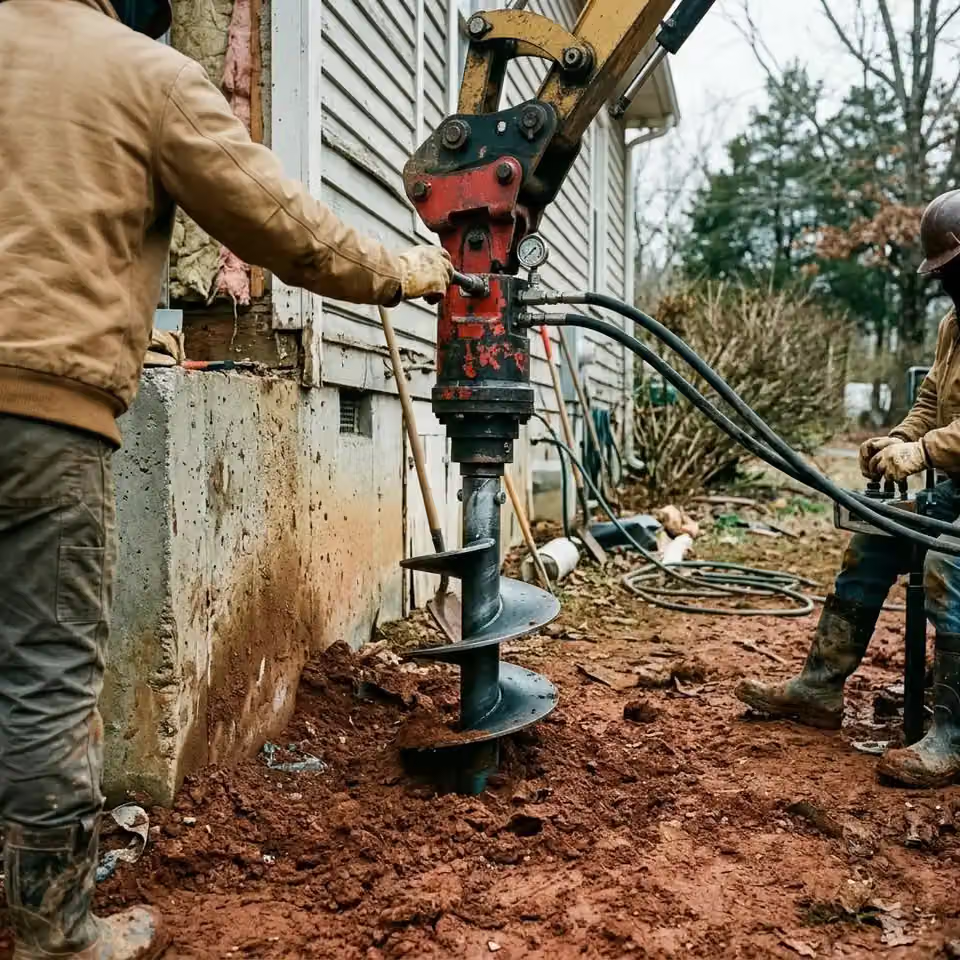
Helical piers are steel shafts fitted with one or more helix shaped plates. A hydraulic drive head rotates the pier into the ground until it reaches soil that resists further turning at the required level, which gives a practical indication of capacity during installation.
Because they do not rely on the weight of the house to drive them, helical piers suit lighter structures such as porches, single story sections, and additions, as well as new construction support.
Where Helical Piers Are Often Used
- A settling porch, stoop, or sunroom pulling away from the house
- Lighter walls that cannot provide enough weight to drive push piers
- Additions built on footings that have begun to drop
- New support needed before construction loads are applied
- Sites where vibration should be kept low
What Installation Involves
At each location, a small excavation exposes the footing. The pier is turned into the soil in sections, with extensions added until it reaches suitable bearing. A bracket then connects the pier to the footing so the load transfers into the shaft.
Installation torque is monitored throughout. It is one of the main reasons helical piers are chosen where documentation of each pier matters.
Installing Helical Piers
- 01
Locate piers
Spacing is set from the wall load and footing condition.
- 02
Expose the footing
Soil is excavated at each pier location.
- 03
Drive and record
Each pier is turned to depth while torque is recorded.
- 04
Bracket and backfill
Brackets are attached, the load is transferred, and soil is replaced.
Helical or Push Pier
Both systems reach past weak soil. Push piers use the weight of the structure to drive them and are common under heavy walls. Helical piers are turned in and suit lighter loads or areas where push piers cannot develop enough resistance.
Shallow rock in some parts of the area can limit depth for either system, which is another reason a site visit comes before a final recommendation.